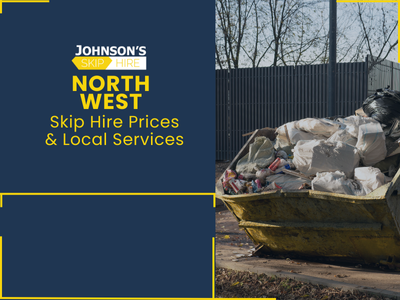
If you’re wondering how full a skip can be, it’s important to understand the rules before you start loading. When hiring a skip, most people want to make the most of the space available, whether you are clearing out a house, renovating a property or dealing with garden waste.
In reality, skip hire in the UK comes with clear limits that need to be followed. These are not just guidelines set by the hire company. They are based on transport regulations, safety requirements and practical limits around lifting and moving waste safely on public roads.
If a skip is overloaded or filled incorrectly, it may not be collected. That can delay your project, create unnecessary hassle and in some cases lead to additional charges. Getting it right from the start makes the whole process smoother and ensures your waste is removed without issue.
Why Skip Fill Limits Exist
Every skip that is collected has to be transported on public roads, which means the load must be stable, contained and safe at all times. If materials are sticking out or loosely piled, they can shift or fall during transit, creating a risk for other road users.
Skip hire companies are responsible for ensuring that each load meets safety requirements before it leaves the site. If it does not, the driver cannot legally take it. This is why checks are carried out at the point of collection rather than after the skip has been loaded.
Weight is just as important as height. A skip filled with heavy materials such as soil or rubble may look level, but it can still exceed safe lifting limits. This can make it unsafe to collect and may result in delays or the need to remove some of the waste before collection can go ahead.
How Full Can a Skip Be? The Main Rule Explained
The most important rule is straightforward but often misunderstood. Your skip should be filled level with the top edge and not above it.
Here is a clear breakdown of what is and is not acceptable when loading your skip:
|
Allowed |
Not Allowed |
|---|---|
|
Waste sitting level with the top edge |
Waste piled above the sides |
|
Even distribution across the skip |
One side is overloaded or uneven |
|
Materials fully contained within the skip |
Items sticking out or overhanging |
|
Compact, stable load |
Loose or unstable materials |
Even a small amount above the rim can cause issues. During lifting, the load can shift, and anything above the edge increases the risk of waste falling out. Keeping everything level ensures the skip can be safely secured and transported. This is often where people misjudge how full a skip can be, especially when trying to fit in the last few items. Following this guidance can help you get the most out of your skip hire.
What Happens If a Skip Is Overfilled
Overfilled skips are one of the most common reasons for failed collections. While it might seem like a minor issue at the time, it can quickly turn into a delay that affects the whole job.
When a driver arrives to collect your skip, they will check whether the load is safe and compliant before attempting to lift it. If the waste is sitting above the top edge or looks unstable, collection usually will not go ahead.
In most cases, this leads to one of the following:
-
The driver refuses collection and leaves the skip in place
-
You are asked to remove the excess waste before it can be taken away
-
Collection has to be rearranged for another day
-
A return visit may result in additional charges
This is why adding “just one more item” at the end often causes problems. Even a small amount above the rim can be enough to stop the skip from being collected altogether.
Heavy Waste and Why It Causes Problems
It is not just how high you fill a skip that matters. The type of waste you are loading has a direct impact on whether it can be collected safely.
Heavy materials such as soil, bricks and concrete behave very differently from general household or garden waste. Even when a skip is filled to the level, these materials can push it beyond safe lifting limits.
Here is a simple comparison to show how different waste types affect your skip:
|
Waste Type |
Risk Level |
What to Consider |
|---|---|---|
|
Household waste |
Low |
Lightweight and easy to distribute evenly |
|
Garden waste |
Low to medium |
Can become bulky but usually manageable |
|
Wood and furniture |
Medium |
Takes up space quickly if not broken down |
|
Soil and rubble |
High |
Very heavy, can exceed weight limits quickly |
|
Bricks and concrete |
High |
Should be limited to smaller skips |
If your project involves heavier materials, it is important to plan ahead. Using the correct skip size and avoiding overloading will prevent issues when it comes to collection.
How to Load a Skip Properly and Maximise Space
Loading a skip correctly is not just about staying within the rules. It also helps you make the most of the space available without creating problems later.
Start by placing heavier, flatter items at the bottom to create a solid base. This keeps the load stable and prevents movement during lifting. Bulky items such as furniture or fencing should be broken down where possible so they can be packed more efficiently.
As you continue loading, try to spread waste evenly across the skip rather than concentrating it in one area. This keeps the weight balanced and makes the skip easier to lift safely.
To get the best use out of your skip:
-
Break down large or awkward items before loading
-
Fill gaps with smaller waste as you go
-
Keep checking the level rather than waiting until the end
-
Avoid stacking waste in one corner or piling it upwards
Finishing with lighter materials allows you to level everything off neatly without going over the edge.
Common Mistakes That Lead to Overfilling
Overfilling usually happens without people realising it, especially during larger clearances or ongoing jobs.
Some of the most common causes include:
-
Trying to fit in extra waste once the skip already looks full
-
Not breaking down bulky items before loading
-
Mixing heavy and light materials without planning
-
Loading too quickly without checking levels
-
Assuming the skip can be filled like a pile rather than level
Being aware of these issues early on makes it much easier to avoid them.
When You Should Consider a Larger Skip
If you are struggling to keep your waste level with the top edge, it is usually a sign that the skip is too small for the job.
Rather than forcing everything in, it is better to upgrade to a larger skip or arrange a second collection. This keeps everything within regulations and avoids delays caused by overfilling.
It also makes the process more efficient overall, as you will not need to spend time adjusting the load or dealing with failed collections.
Avoid Delays by Loading Your Skip Correctly
Filling a skip properly is not about holding back or wasting space. It is about ensuring your waste can be collected safely, legally, and without disruption.
Keeping your load level, managing weight carefully and taking the time to load the skip correctly will help you avoid common issues and get the most out of your hire.
If you are unsure about how much your skip can take, it is always worth checking before you start. A bit of guidance at the beginning can save time, prevent extra costs and ensure everything runs smoothly from start to finish. Knowing how full a skip can be for your specific job helps you avoid delays and makes sure everything is collected without issue.