Waste management plays a vital role in protecting the environment, conserving natural resources and reducing the amount of rubbish sent to landfill each year. While many people associate waste management with simply throwing items away, it actually involves a much broader process of reducing, reusing, recycling and disposing of waste responsibly.
Whether you’re carrying out a home renovation, clearing your garden or managing waste from a commercial project, making informed decisions about how your waste is handled can significantly reduce its environmental impact. With the right planning and responsible disposal methods, you can help divert more waste away from landfill while ensuring everything is managed in line with current regulations.
Why Reducing Landfill Waste Matters
Landfill sites remain necessary for certain types of waste, but they should always be the last resort. When large volumes of recyclable or reusable materials end up in landfill, valuable resources are lost, and unnecessary pressure is placed on landfill capacity.
Landfill waste can also contribute to environmental issues including:
- Greenhouse gas emissions such as methane.
- Soil and groundwater contamination.
- Loss of recyclable materials.
- Increased demand for new raw materials.
- Greater environmental impact from waste transportation and disposal.
Improving waste management helps minimise these issues by ensuring as much waste as possible is reused, recycled or recovered before landfill is considered.
Simple Ways to Improve Waste Management
Good waste management doesn’t have to be complicated. Small changes can make a significant difference to how much waste is diverted from landfill.
Before starting any project, take a few minutes to think about the types of waste you’ll produce. Separating materials where possible makes recycling much easier and helps prevent recyclable items from becoming contaminated.
Choosing the correct skip size is equally important. Hiring a skip that’s too small can lead to overfilling, while hiring one that’s much larger than necessary isn’t always the most cost-effective solution. Estimating your waste accurately helps keep disposal efficient from the outset.
It’s also worth considering whether certain items can be reused or donated before they’re thrown away. Furniture, timber, bricks and some household items may still have value rather than becoming waste.
Responsible Skip Hire Supports Better Waste Management
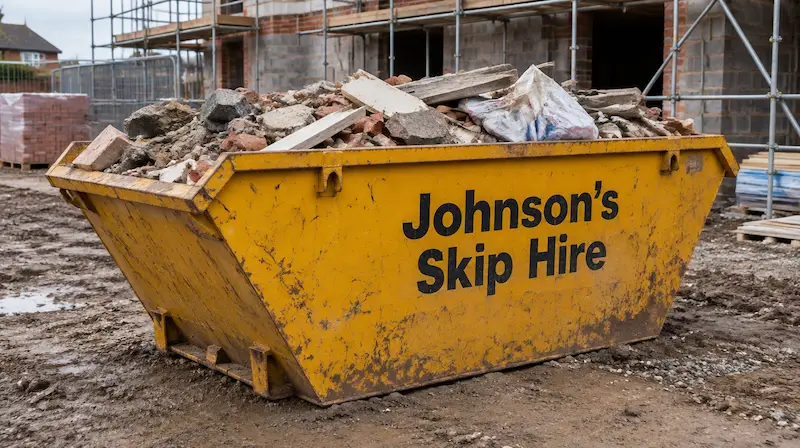
Hiring a skip is one of the easiest ways to keep waste organised throughout a project, but responsible waste management starts before you begin filling it.
Different waste types have different disposal requirements, so it’s important to let your skip provider know exactly what you’re planning to dispose of when booking. Certain materials require specialist handling or separate processing, meaning they cannot simply be mixed in with general waste.
Items including asbestos, paint, tyres, batteries, gas cylinders, electrical equipment and other hazardous materials cannot usually be placed into a standard skip. Materials such as plasterboard, carpets and some flooring products may also require separate disposal due to waste regulations, so it’s always best to discuss your waste requirements before your skip is delivered.
Providing accurate information helps ensure your waste is managed safely, legally and in the most environmentally responsible way possible.
Recycling Plays a Key Role
One of the biggest ways waste management reduces landfill waste is through recycling. Many of the materials commonly placed into skips can be recovered and processed into new products rather than being buried in landfill.
Some of the most commonly recycled materials include:
|
Material |
Can Often Be Recycled |
|---|---|
|
Wood |
Yes |
|
Metal |
Yes |
|
Cardboard |
Yes |
|
Soil |
Often recovered and reused |
|
Hardcore, bricks and concrete |
Often crushed and recycled |
|
Green waste |
Often composted or processed |
Recycling these materials reduces demand for raw resources while helping lower the amount of waste requiring landfill disposal.
Every Project Can Make a Difference
Whether you’re renovating a single room or completing a large construction project, every waste management decision has an impact. Planning, separating materials where possible and disposing of waste responsibly all contribute towards reducing landfill waste.
Working with an experienced skip hire company also gives you peace of mind that your waste will be handled in accordance with current waste regulations, with recyclable materials recovered wherever possible.
At Johnson’s Skip Hire, we help homeowners, businesses and contractors dispose of waste responsibly through reliable skip hire services and compliant waste management solutions. If you’re unsure which skip you need or have questions about specific waste types, get in touch with our team before booking, and we’ll be happy to help.