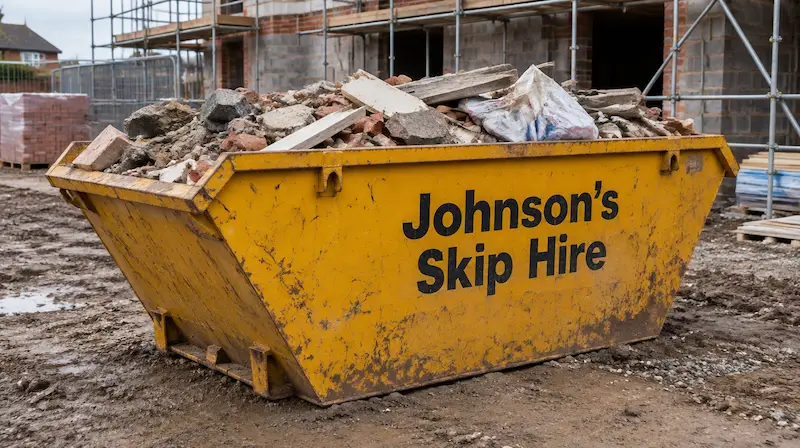
Hiring a skip is one of the simplest ways to deal with waste from a house clearance, renovation or garden project. However, one of the most common questions we hear is still the same: what can and can’t go in a skip? Understanding this before you book helps you avoid extra charges, failed collections and unnecessary delays.
If you are arranging skip hire in your local area, waste regulations are set nationally but enforced by local authorities, so it is always worth double-checking with your provider before loading restricted materials.
What Can You Put in a Skip?
In most domestic and commercial situations, skips are suitable for general, non-hazardous waste. This includes items from clear-outs, refurbishments and garden work. The key rule is that the waste must not be hazardous, electrical or liquid.
Below is a clear guide to what is typically allowed and what is not.
What Can and Can’t Go in a Skip
Item Type | Examples | Allowed in a Skip? | Notes |
|---|---|---|---|
General household waste | Furniture, clothing, toys, packaging, non-electrical fittings | Yes | Suitable for most clear-outs and decluttering jobs |
DIY and renovation waste | Wood, bricks, tiles, ceramics, metal, doors, kitchen units | Yes | Heavy materials should be evenly distributed |
Plasterboard | Small amounts from minor work | Yes (check first) | Large quantities may need separate disposal due to landfill regulations |
Garden waste | Soil, turf, hedge trimmings, branches, non-electrical garden furniture | Yes | Soil and hardcore may require a specific skip type |
Cardboard and paper | Boxes, packaging materials | Yes | Keep dry where possible to reduce weight |
Asbestos | Sheeting, insulation board | No | Must be removed by a licensed specialist |
Electrical items | Fridges, freezers, TVs, microwaves, washing machines | No | Covered under WEEE regulations |
Tyres | Car, van or bike tyres | No | Require specialist recycling |
Paint and liquids | Paint tins with liquid, solvents, oils | No | Liquid waste is not permitted in skips |
Batteries | Household and vehicle batteries | No | Classified as hazardous waste |
Gas cylinders | Propane bottles, camping gas | No | High fire and explosion risk |
If you are unsure about a specific item, always ask before loading the skip. It is far easier to clarify in advance than to remove prohibited waste later.
Why Certain Items Are Restricted
Waste management rules are not there to make things difficult. They exist to protect the environment and ensure dangerous materials are handled safely. Hazardous items such as asbestos, chemicals and batteries require specialist treatment facilities. Electrical goods fall under separate recycling regulations and cannot legally be mixed with general waste.
Placing prohibited materials in a skip can lead to additional charges, collection refusal or, in serious cases, fines from your local council. Staying within the guidelines keeps your project on schedule and avoids unnecessary costs.
Local Skip Hire Support You Can Rely On
If you are booking with Johnsons Skip Hire, our team will always help confirm what you are disposing of before delivery. Whether you are clearing out a loft, renovating a kitchen or tackling garden waste, we will guide you on the right skip size and ensure everything is compliant with local waste regulations.
We offer same-day and next-day delivery in many areas, helping you keep your project moving without delay. If you are unsure about any item, just ask. We would rather answer a quick question than see you face unexpected issues at collection.
Call today to book your skip or request a quote from Johnsons Skip Hire. Our team is ready to help you dispose of your waste safely, legally and efficiently.