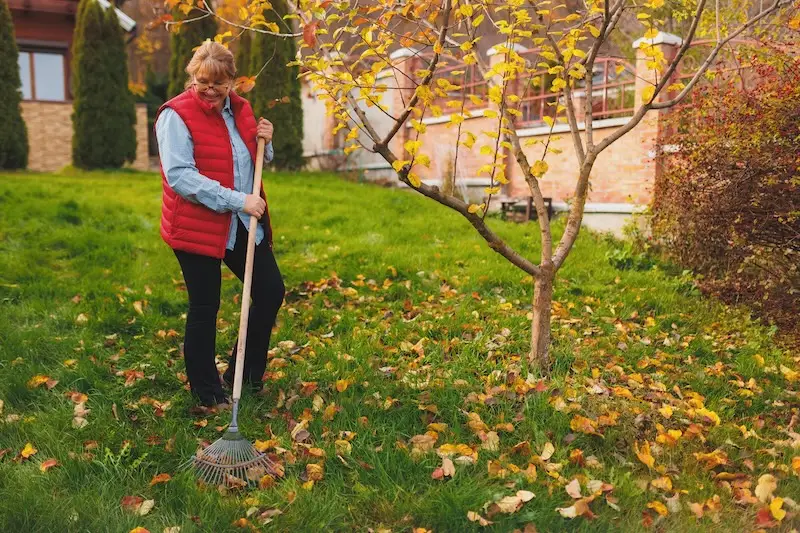
Summer is the season when gardens receive the most attention. Longer days, warmer weather and more time spent outdoors encourage homeowners to tackle jobs that have been put off during the colder months. Whether it’s replacing an old fence, removing a shed, redesigning a patio, or simply bringing an overgrown garden back under control, these projects often create far more waste than expected.
While many people focus on the end result, planning for garden waste removal is just as important as planning the project itself. Piles of branches, bags of grass cuttings, old timber, broken paving slabs and unwanted garden furniture can quickly take over valuable outdoor space and slow progress. By organising a clear disposal plan from the outset, you can keep your project running smoothly and enjoy your garden throughout the summer rather than spending weeks looking at leftover waste.
Why Garden Waste Builds Up So Quickly During Summer
Garden waste is generated throughout the year, but summer is by far the busiest period. Plants grow faster, lawns require more frequent mowing and hedges often need multiple trims to keep them looking neat. At the same time, homeowners are far more likely to undertake larger outdoor improvement projects while the weather is favourable.
A simple garden tidy-up can generate several bags of green waste in a single afternoon. Once larger jobs such as landscaping, tree pruning, fence replacement or patio installation are added into the mix, the amount of waste produced can increase significantly. Materials that have accumulated over several years are often uncovered during these projects, creating even more waste that needs to be removed responsibly.
Many households quickly discover that standard wheelie bins and occasional council collections are not enough to deal with the volume generated by a major garden project. This is why summer is often the busiest period for professional garden waste removal services and skip hire companies across the UK.
What Counts as Garden Waste?
Garden waste covers a much wider range of materials than many people realise. While grass cuttings, leaves and hedge trimmings are the most obvious examples, larger garden projects often produce a combination of green waste and bulky materials that require alternative disposal methods.
Common examples of garden waste include:
|
Garden Waste Type |
Examples |
|---|---|
|
Green waste |
Grass cuttings, leaves, weeds, plants, hedge trimmings |
|
Branches and timber |
Tree cuttings, logs, untreated wood |
|
Landscaping materials |
Soil, turf, stones and gravel |
|
Garden structures |
Fence panels, sheds, decking and pergolas |
|
Outdoor furnishings |
Broken planters, garden furniture and accessories |
Understanding what type of waste your project will generate can help you choose the most suitable disposal method and avoid delays once work begins.
What Is the Best Way to Dispose of Your Waste?
The best approach to garden waste removal depends largely on the volume of material being produced. Small quantities of green waste can often be composted at home or disposed of through local authority garden waste schemes. For regular gardening tasks such as mowing the lawn or trimming shrubs, these options are often sufficient.
Larger projects require a different approach. Garden renovations, landscaping work and structure removals can produce a mixture of materials that quickly exceed the capacity of household bins. In these situations, arranging a dedicated garden waste removal solution is usually the most efficient option.
The key is to consider waste management before work starts, rather than after the waste has already begun to accumulate. This helps maintain a safe working environment and prevents valuable garden space from being taken up by unwanted materials.
Common Summer Garden Projects That Generate the Most Waste
Some outdoor projects are particularly waste-intensive. Homeowners are often surprised by the amount of material generated during what appears to be a relatively straightforward job.
Fence replacement is a good example. Old timber panels, concrete posts and gravel boards can quickly create a sizeable waste pile. Similarly, removing an old shed may involve disposing of timber, roofing materials, shelving and years of stored items that have accumulated inside.
Landscaping projects often produce even larger quantities of waste. Excavated soil, removed turf, broken paving slabs and unwanted plants all need to be dealt with before the new garden design can take shape. Decking removal is another common source of waste during summer, with timber boards and supporting frames creating bulky materials that are difficult to store or transport. For homeowners undertaking multiple projects at once, the volume of waste can become substantial very quickly.
Can Garden Waste Go in a Skip?
In many cases, yes. A skip can provide a practical solution for disposing of large volumes of garden waste generated by landscaping projects, garden clearances and outdoor renovations.
Materials such as branches, hedge cuttings, soil, turf, timber fencing and other non-hazardous garden waste are commonly placed in skips. However, accepted materials can vary depending on the waste type and the provider’s guidelines, so it is always worth checking in advance if you are unsure about a particular item.
For larger summer projects, having a skip on-site allows waste to be collected as work progresses rather than being piled around the garden. This keeps the area safer, more organised and easier to work in throughout the project.
When Should You Consider a Skip for Garden Waste?
A skip becomes particularly useful when the volume of waste is too large for normal household disposal methods. If you are removing a shed, replacing fencing, redesigning a garden or carrying out significant landscaping work, a skip can save multiple trips to a recycling centre and provide a central location for waste throughout the project.
Summer projects are often completed within a short timeframe, and having waste removed efficiently can help prevent delays. Rather than waiting for multiple collections or attempting to transport bulky materials yourself, a skip allows waste to be managed as part of the overall project plan.
Choosing the right waste disposal solution before work begins often proves more cost-effective and convenient than trying to deal with large quantities of waste after the project is complete.
Why Responsible Waste Removal Matters
Effective garden waste removal is about more than simply keeping your garden tidy. Responsible disposal helps ensure that waste is processed correctly and, where possible, diverted away from landfill.
Many green waste materials can be composted or recycled, while timber, aggregates and other materials may be recovered and reused through specialist facilities. Using licensed waste management providers helps ensure waste is handled in accordance with environmental regulations and reduces the risk of illegal dumping or fly-tipping.
As environmental awareness continues to grow, responsible waste disposal has become an increasingly important part of any home improvement project.
Make the Most of Your Garden This Summer
Summer provides the perfect opportunity to improve your outdoor space, whether you’re carrying out a simple tidy-up or embarking on a complete garden transformation. However, every successful project generates some level of waste, and planning for its removal can make the difference between a smooth project and a frustrating one.
By considering garden waste removal from the outset, homeowners can keep their gardens organised, maintain a safer working environment and enjoy the results of their hard work sooner. Whether you’re cutting back overgrown hedges, replacing old fencing or undertaking a full landscaping project, having a clear waste management plan in place will help you make the most of your garden throughout the summer months. If you need a skip for your garden project, call us directly for a tailored, competitive quote.